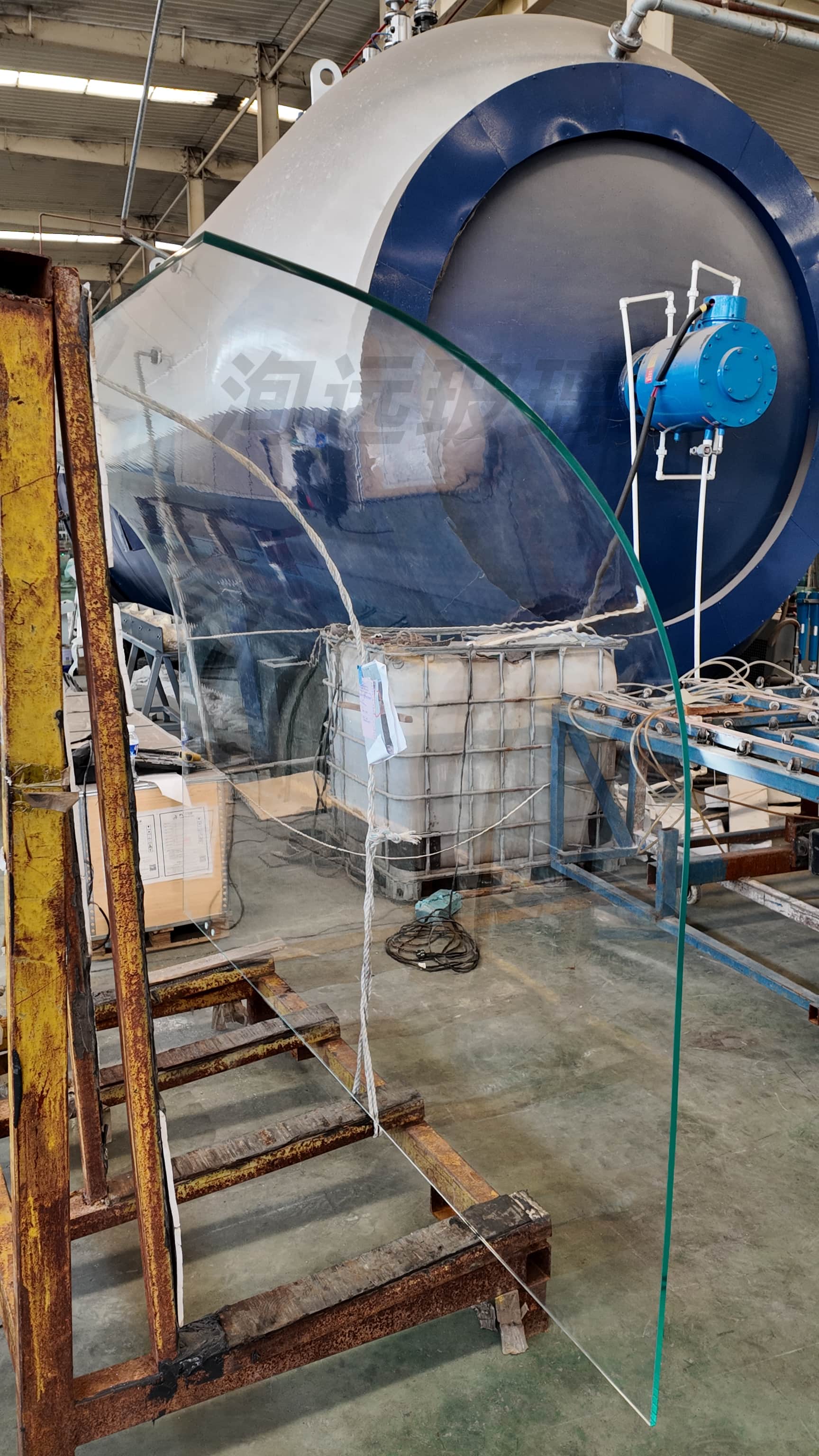
Heat-bent laminated glass combines heat bending and lamination in a single unit. The difficulty is not in either process alone, but in making both hold true on the same piece — the laminated interlayer must conform to a curved surface that has already been formed. Any compromise in one stage surfaces later on site. Henan XunYuan Glass manufactures heat-bent laminated glass with all stages completed in-house.
1. Heat Bending or Bent Tempering: Decide the Route First
Given a curved drawing, the first question is not feasibility but which process route fits.
Two criteria matter. One is visual requirement — where the key demand is a smooth reflective image without visible facets, the forming process must prioritise shape control. The other is structural requirement — where the glass carries structural load, both the forming method and the interlayer configuration follow the load case. The two criteria may point to different routes, so clarify which purpose the piece mainly serves.
What we do: We issue a process recommendation at the detailed design stage, together with how the route connects to subsequent stages, so the customer knows the path before pricing.This happens at the detailed design stage.What you gain: You avoid discovering a route mismatch after the contract is signed, when correction costs far more than at the drawing stage.
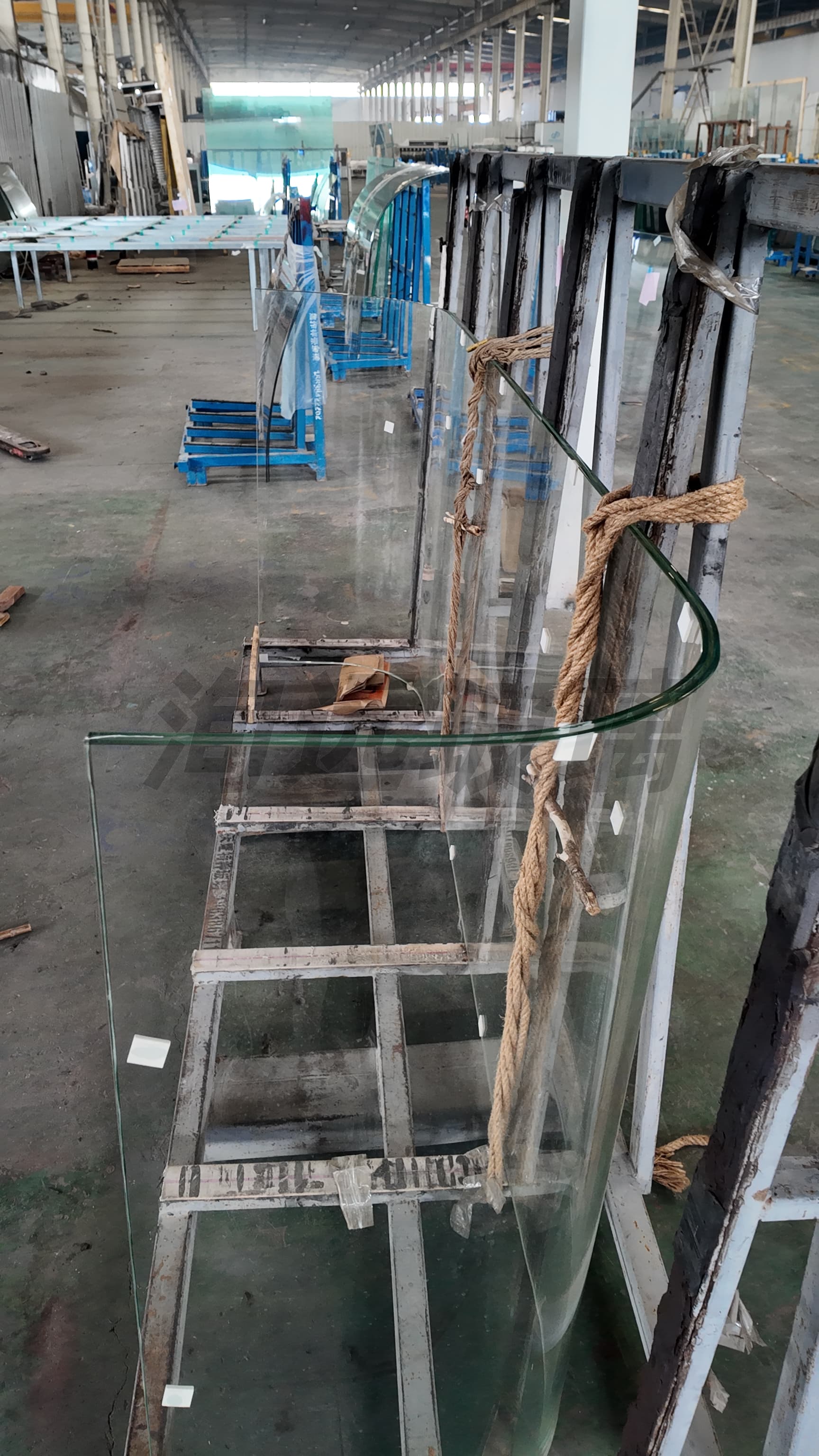
2. Segmentation and Joint Positions: Fix Them at the Drawing Stage
Single-piece processing of curved glass is limited by forming and tempering, so units beyond the boundary must be divided. The real question is not whether to divide, but whether the joint falls where the eye accepts it.
A joint across the visual centre weakens the integrity of the whole facade; a joint at a mullion or corner is far less noticeable. This must be settled at the detailed drawing stage, not left to the site.
What we do: We fix the segmentation plan and joint positions during detailed drawing, and explain the basis for the division.This happens at the detailed drawing stage.What you gain: You avoid finding an unacceptable joint position only after the glass is finished, when it can no longer be changed.
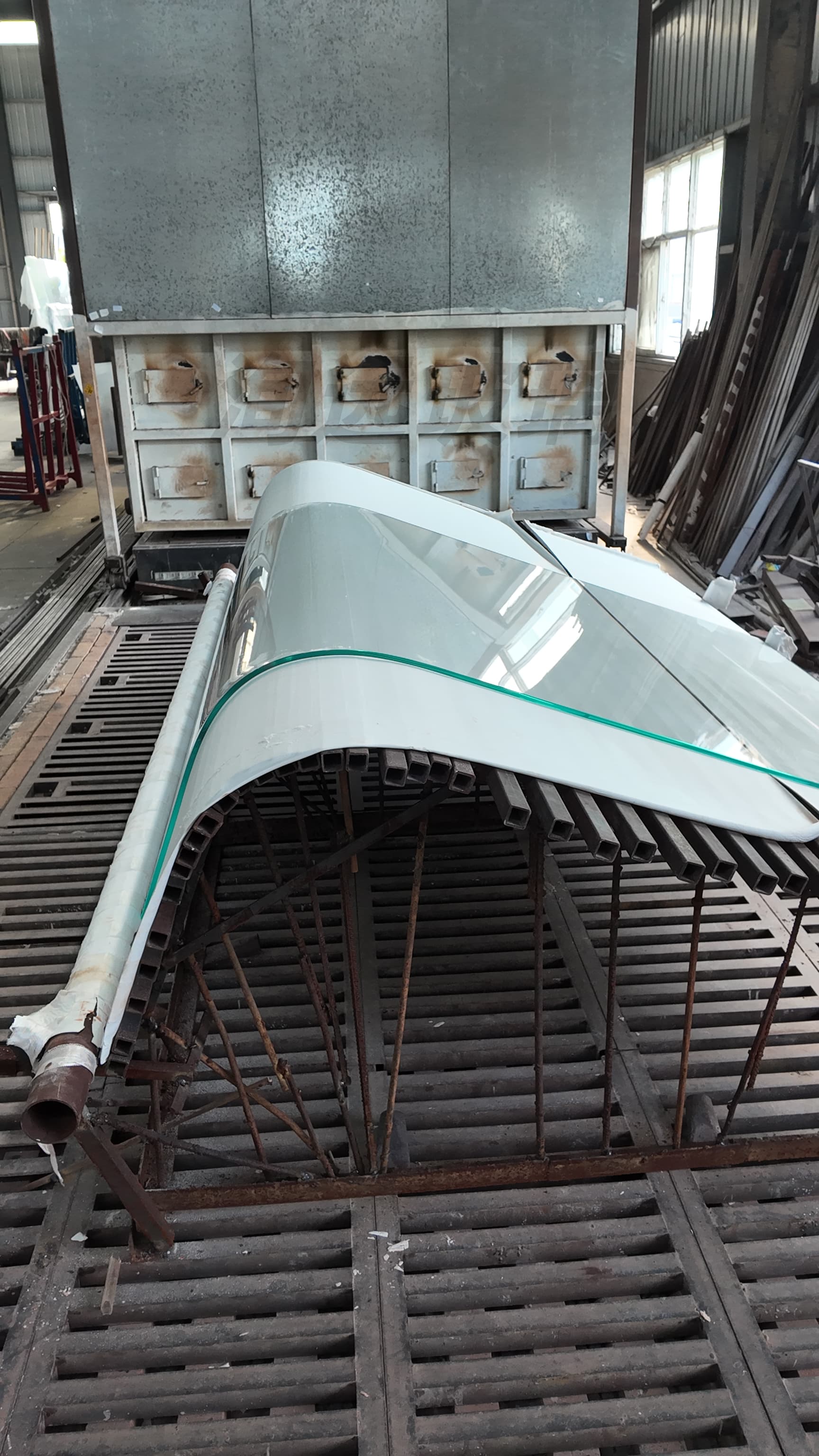
3. Colour Control: Two Variables, Base Glass and Interlayer
Greenish or greyish tint after lamination usually comes from two variables combined: differences in transmittance and colour cast between base glass grades, and the colour cast of the interlayer itself — amplified visually by the curved surface.
What we do: Base glass is configured in a single batch per project area to avoid batch-to-batch colour variation on one facade; colour comparison is carried out before lamination begins.This happens at base glass selection and before lamination.What you gain: You avoid reworking an entire facade after installation because of colour deviation.
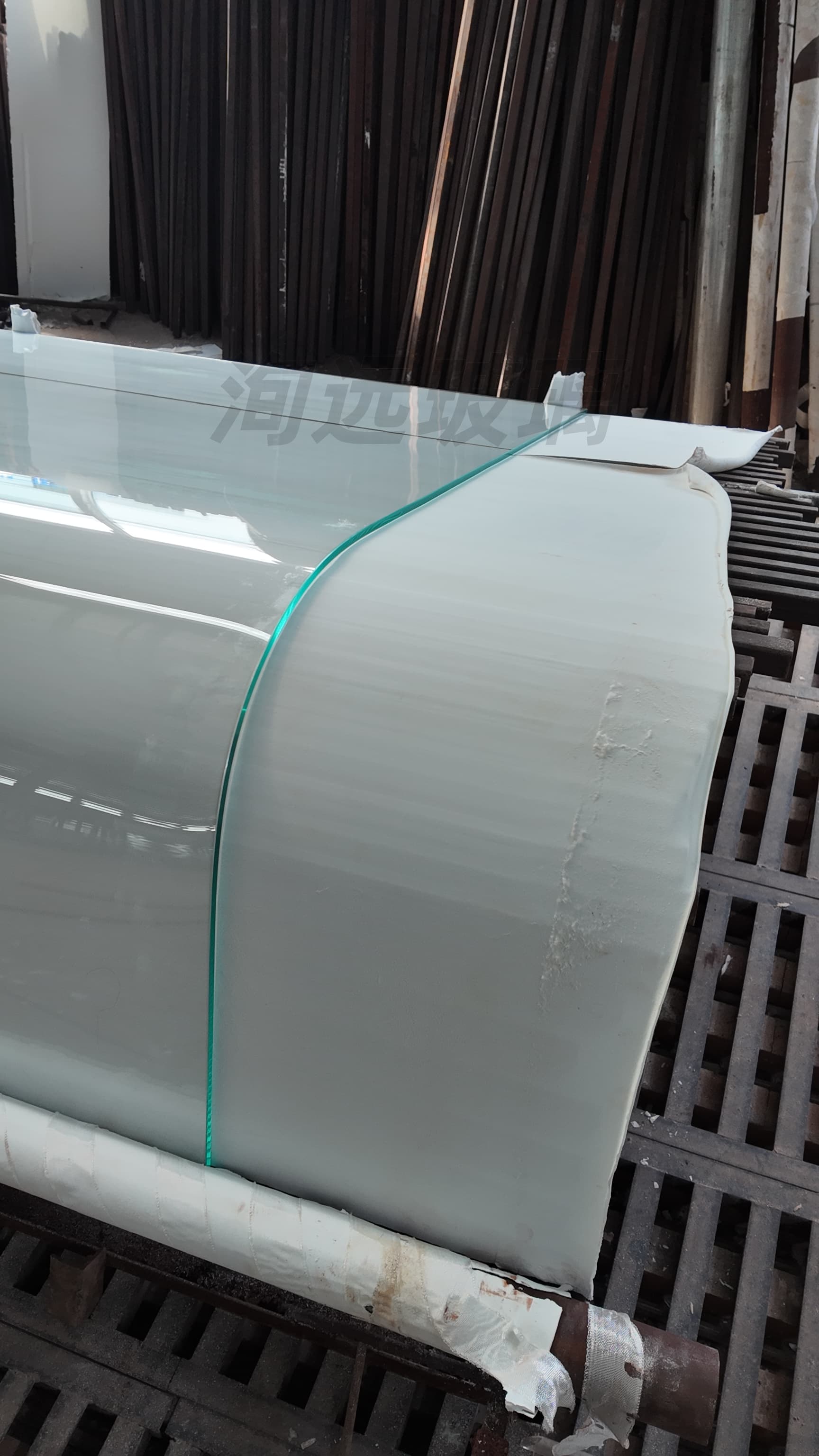
Curved lamination is harder than flat. The interlayer must follow the surface, and deformation accumulates during pressing. If pressing parameters do not match the actual curvature of that batch, bubbles and haze appear across the batch.
What we do, in three steps:
Surface conformity check before conforming — confirm the interlayer can sit properly on that specific curve.
Pressing curve re-calibrated per order — set against the actual curvature of each order, never carried over from the previous one.
Controlled lamination environment — temperature and humidity fluctuation affects conforming quality.
This happens at the conforming and pressing stage.What you gain: Lower scrap and replacement rates, and less risk of a second schedule delay.
5. Edges and Nodes: Two Checks Before Dispatch
Edge conforming on curved units carries complex stress; if edge treatment is incomplete, the interlayer may shrink or separate. Equally, if the curve direction is not verified against the steel frame node coordinates, the unit will not fit on site.
What we do: Edge treatment is determined by the project's appearance requirements; edge checks and curve direction verification are completed before dispatch, and lifting guidance and loading plan advice can be provided at delivery.This happens before dispatch.What you gain: Less on-site adjustment work.
6. Four Cross-Cutting Actions and Three Evaluation Criteria
The solutions above converge on one set of actions: forming verification (parameters derived from the drawing at the detailed design stage), per-order parameter calibration (forming and pressing parameters re-set per order), first-piece check (one piece made and approved before the batch runs), and in-process sampling (drift monitored throughout the batch).
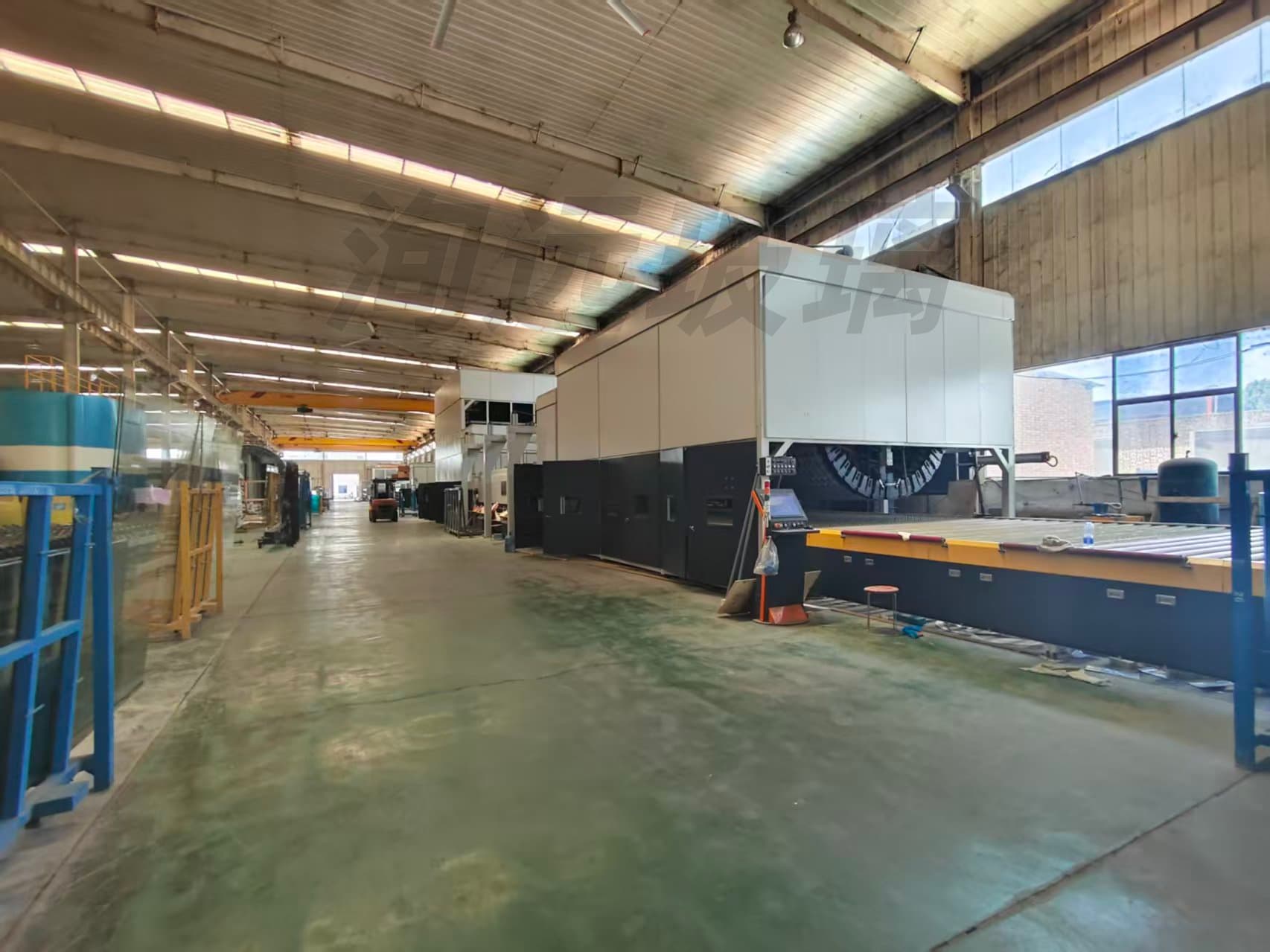
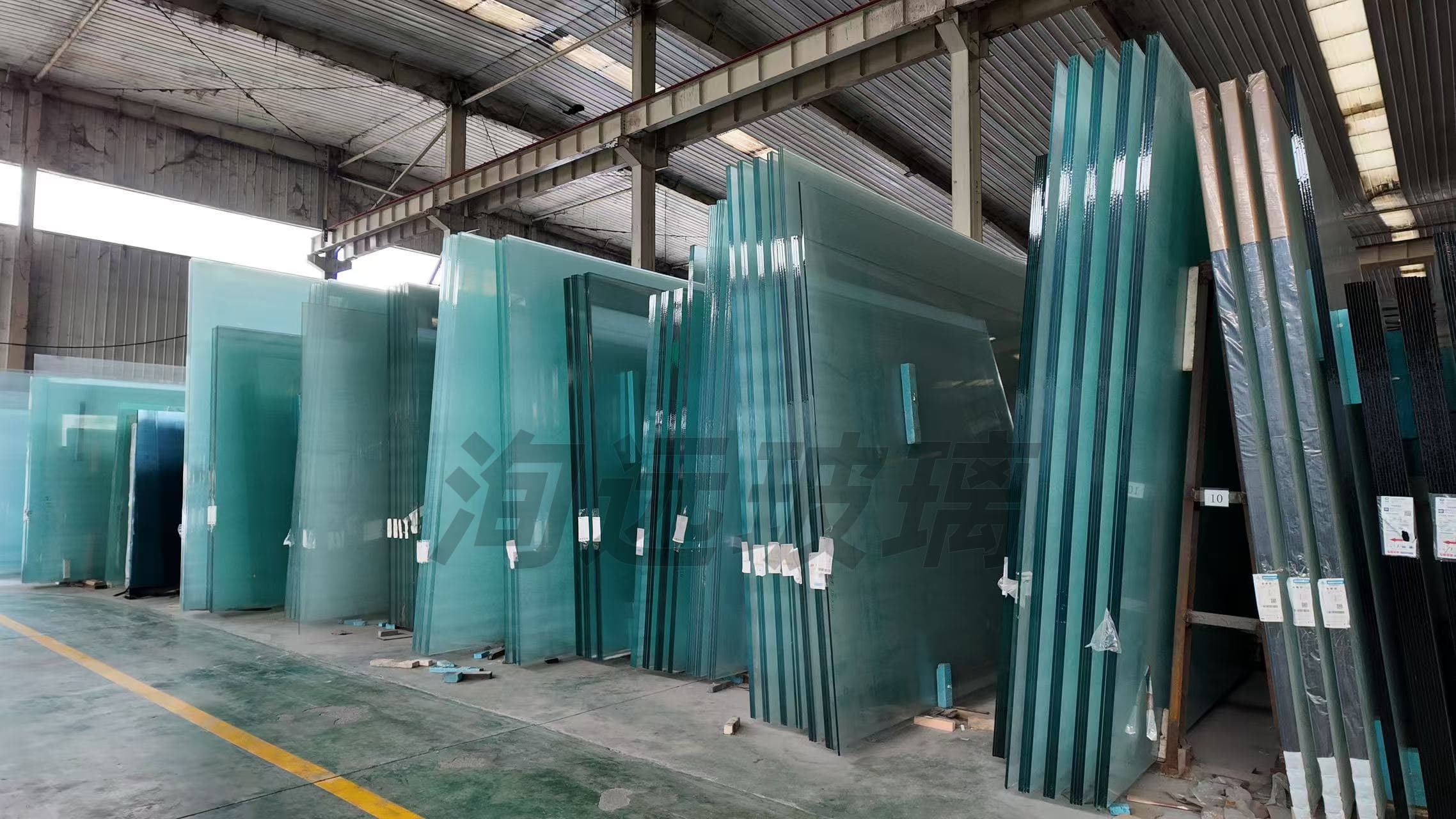
These depend on in-house production lines: raw glass cutting, edging, drilling, forming, tempering, lamination and packing all completed consecutively in our own plant, without outsourcing or order consolidation, with parameters confirmed directly by in-house process engineers.
Three criteria for buyers:
Can they name the stages and where each check happens? A supplier who can state exactly which stage handles bending, lamination and verification is genuinely controlling the process.
Will they run a first piece? A supplier who makes one piece before the batch and treats it as the release condition is carrying risk for the customer.
Do they provide packing and lifting plans? Curved laminated units have an offset centre of gravity and specific load points; general packing solutions do not apply.